📅 9–11 December 2025
📍 Bumi Surabaya City Resort, Surabaya, Indonesia, with site visits to waste management facilities in Surabaya (11 December)
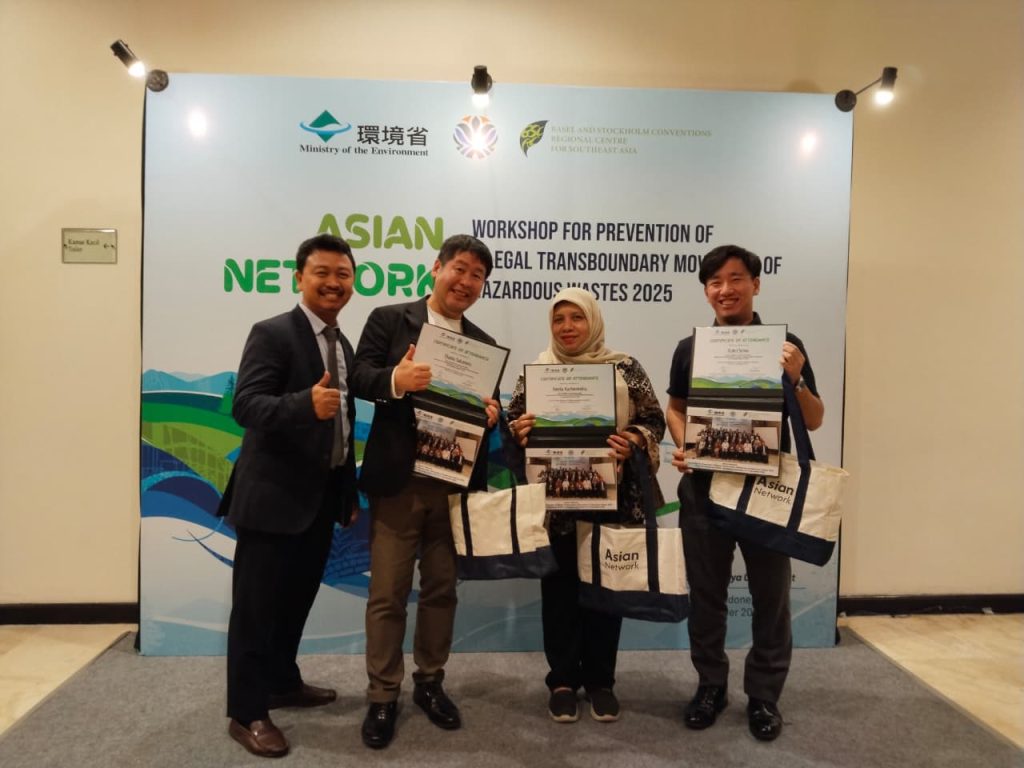
Funded by the Ministry of the Environment of Japan (MOEJ) and organised with EX Research Institute (EXRI) and BCRC-SEA, chaired by the Ministry of Environment/Environmental Protection Agency of Indonesia
The Asian Network for Prevention of Illegal Transboundary Movement of Hazardous Wastes was established in 2004 under Japan’s leadership. For more than 20 years, its annual workshop has given countries in the region a platform to share information on national laws, regulations and the status of hazardous waste movements in Asia.
The 2025 workshop focused on implementing recent amendments to the Basel Convention. The plastic waste amendments took effect in 2021. The e-waste amendments, which entered into force on 1 January 2025, now bring all transboundary movements of e-waste under the Prior Informed Consent (PIC) procedure, regardless of whether they are hazardous. These changes are expected to have a major impact on Asia, where trade in used electronics, components and processing residues is substantial.
The workshop was organised into three thematic sessions:
- Session 1 featured country updates on implementing the Basel Convention, with a focus on responses to the e-waste amendments, including how to identify and classify e-waste under the new entries.
- Session 2 addressed the control of transboundary movements and the environmentally sound management (ESM) of plastic waste, reviewing trends, challenges and good practices nearly five years after the plastic waste amendments took effect.
- Session 3 explored policies and technologies to promote ESM, including emerging waste streams such as solar panels, lithium-ion batteries and textiles, as well as extended producer responsibility (EPR) and private sector initiatives.
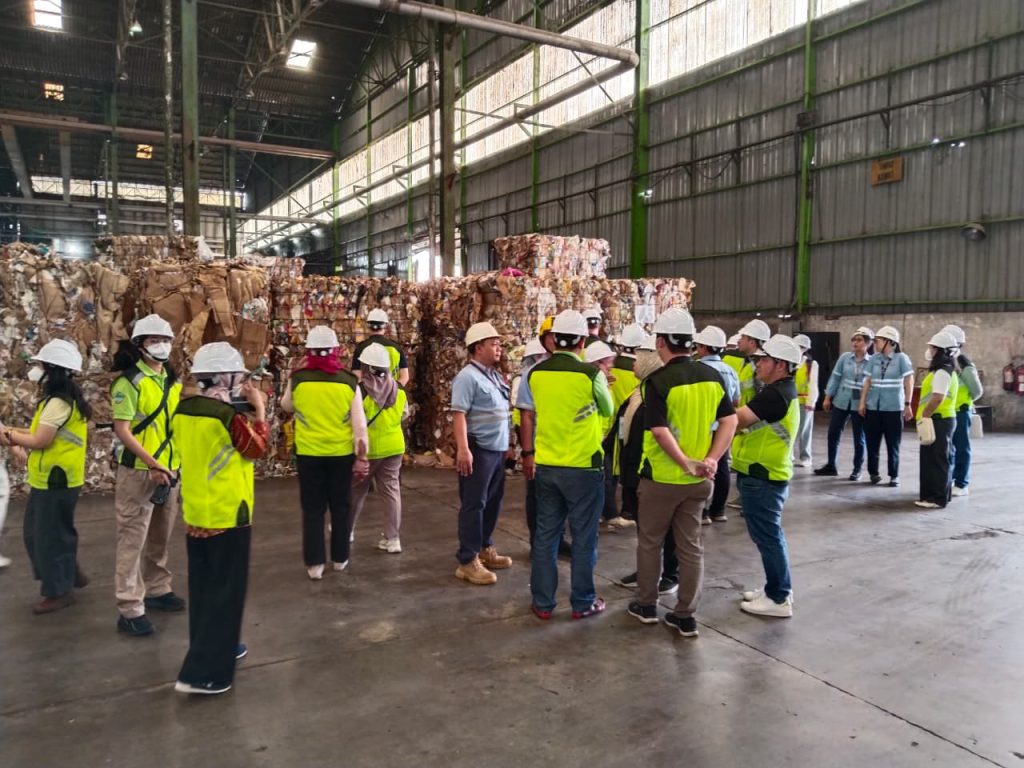
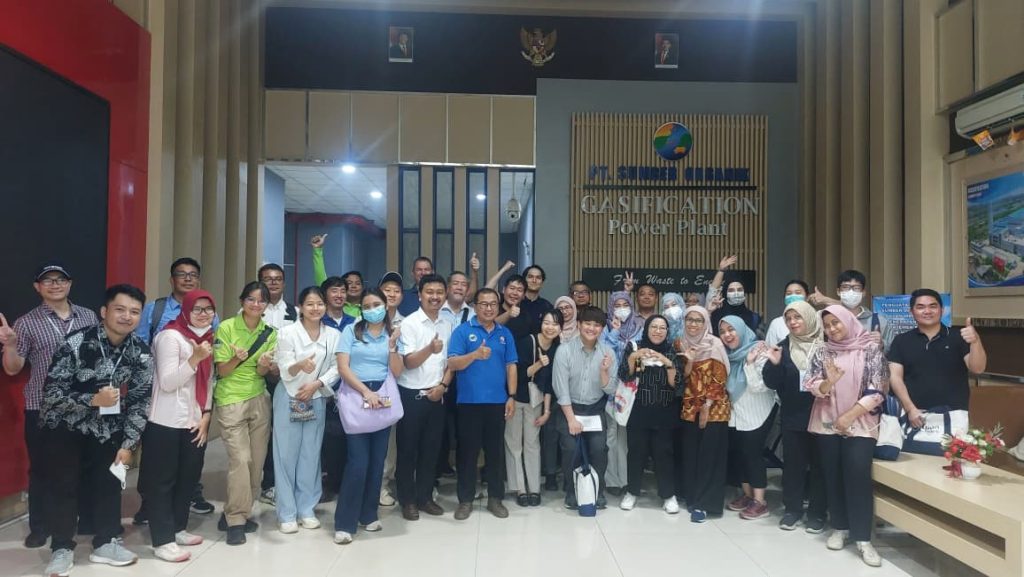
On the third day, participants visited PT Pabrik Kertas Tjiwi Kimia Tbk, which uses refuse-derived fuel (RDF) from plastic waste as an energy source, and PT Sumber Organik to observe waste management practices in Surabaya.
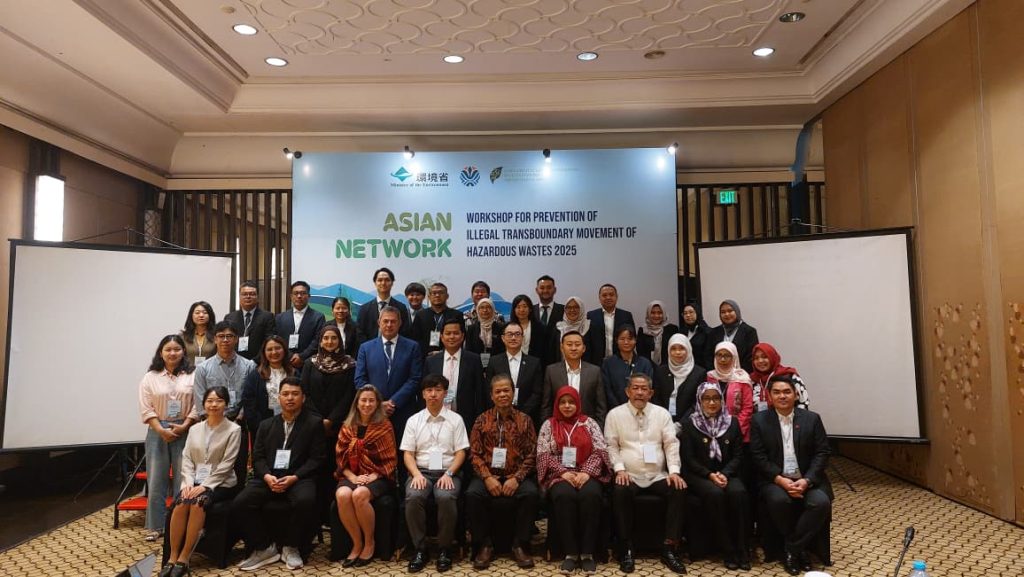
The workshop was attended by 44 participants, including representatives from the 10 ASEAN Member States, Japan, Hong Kong SAR, the Secretariat of the BRS Conventions, other international organisations and the private sector. Its discussions will contribute regional perspectives to ongoing international work under the Basel Convention, including guidance on identifying e-waste, and support continued regional cooperation in the fight against illegal waste trade.